


Sports investment surged past the $4 billion mark in 2025, underlining a powerful shift in how capital is flowing into the global sports ecosystem. From athlete performance and fan engagement to betting, wellness, creator-led leagues and community sport, investors are backing platforms that sit at the intersection of sport, technology, media and culture.
The funding landscape this year was notably diverse — spanning elite performance tech, grassroots participation, AI-driven analytics, digital-first leagues and next-generation fan experiences. With momentum continuing to build, industry insiders expect 2026 to see even greater deal volume and innovation-led capital deployment.
Mega Rounds Signal Investor Confidence
At the top end of the funding spectrum, a handful of blockbuster rounds dominated headlines:
-
Kalshi led the market with a $1 billion raise, highlighting the continued investor appetite for regulated prediction markets linked to sport and real-world outcomes.
-
ŌURA, the performance and recovery wearable brand, secured $900 million, reinforcing the long-term confidence in athlete health, sleep and biometric data.
-
Crunch Fitness (CR Fitness Holdings) raised $350 million, showcasing the strength of scalable fitness and participation-led business models.
-
Unrivaled Basketball ($340 million) and Teamworks ($235 million) reflected growing interest in athlete-led leagues and professional sports operations platforms.
These top-tier investments demonstrate that sports is no longer viewed as a niche vertical but as a core consumer and technology sector.
Rise of Digital Leagues, Creator Sport and New Formats
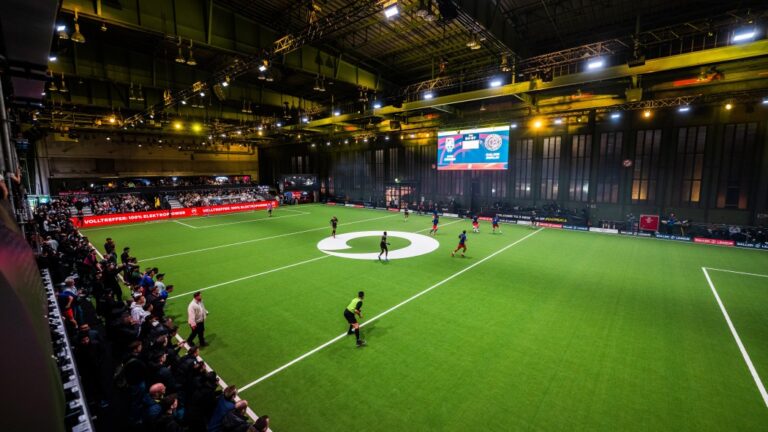
A notable trend in 2025 was the rise of digitally native leagues and creator-driven sport, which blend entertainment, competition and social media distribution:
-
World Sevens Football ($100 million)
-
Baller League ($24 million)
-
The Icon League (€15 million)
-
Global Gaming League ($10 million)
These properties appeal strongly to Gen Z and millennial audiences, offering faster formats, creator ownership and free-to-access distribution — a model increasingly attractive to sponsors and investors alike.
Technology, Data and AI Power the Ecosystem
Sports technology remained one of the most active investment categories. Companies focused on AI, analytics, fan engagement and performance optimisation attracted steady capital throughout the year:
-
Fastbreak AI ($40 million)
-
ReSpo.Vision ($5 million)
-
Springbok Analytics ($5 million)
-
ALT Sports Data ($5 million)
-
ScorePlay ($13 million)
From automated highlight generation to predictive performance insights, these platforms are reshaping how teams, leagues and broadcasters operate.
Community, Participation and Emerging Sports Gain Ground
Beyond elite sport, investors also backed platforms driving participation and community growth:
-
Rocket Youth ($100 million)
-
TOCA Football ($35 million)
-
Epic Padel Inc ($10 million)
-
Pro Padel League ($10 million)
-
Pickleball Inc ($5.3 million)
Padel, pickleball and youth sports ecosystems continue to attract capital as participation rates climb globally, especially in urban and emerging markets.
Betting, Fan Engagement and Media Still Attract Capital
Despite regulatory headwinds in some regions, sports betting, fan engagement and media platforms continued to raise meaningful rounds:
-
Underdog ($70 million)
-
Midnite ($10 million)
-
FloSports ($20 million)
-
Men In Blazers Media Network ($15 million)
The focus has shifted towards product differentiation, community-building and sustainable unit economics rather than pure customer acquisition.
What This Means for 2026
With more than $4 billion deployed in 2025, the sports investment ecosystem is entering a new phase — one defined by:
-
Stronger emphasis on athlete-first products
-
Growth of creator-led and digital-native leagues
-
Expansion of AI, data and performance technologies
-
Increased focus on participation sports and grassroots pathways
As capital continues to diversify across the sports value chain, 2026 is expected to bring even larger rounds, new league launches, and deeper integration between sport, technology and culture.
For founders, federations, leagues and investors alike, the message is clear: sport is no longer just entertainment — it’s one of the most dynamic growth sectors in the global economy.